Your Roofing System is Fist For A Reason..
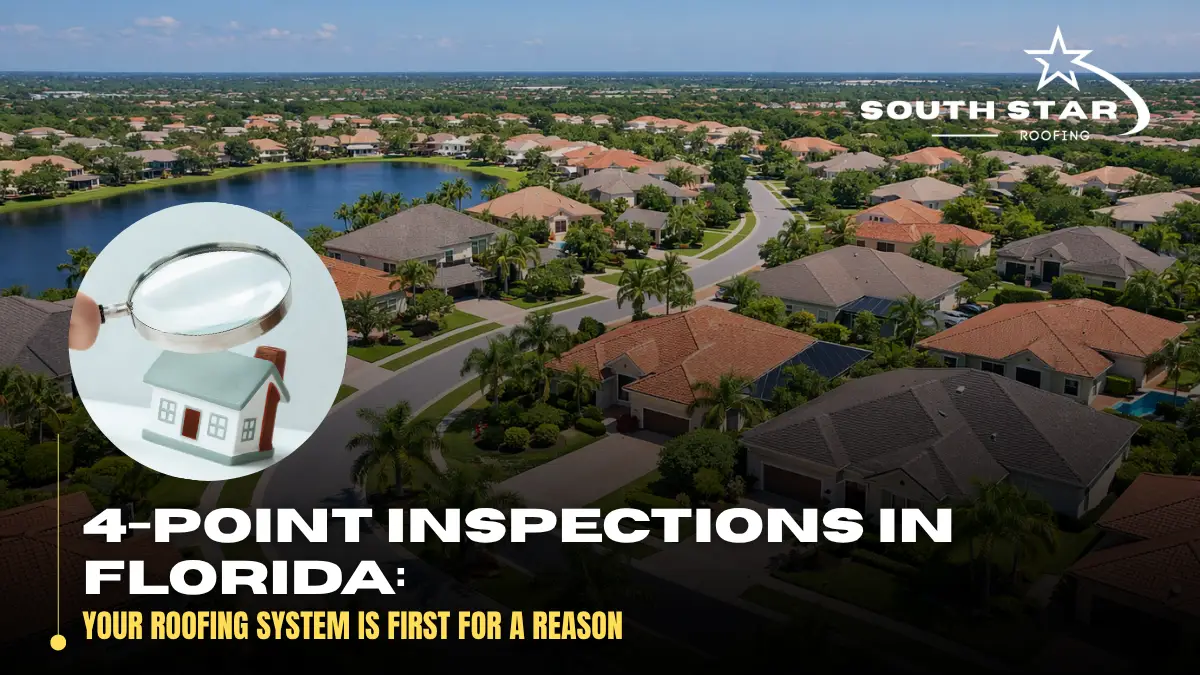
A 4-point inspection might sound like a checkbox exercise, but it’s actually a lifeline for homeowners—and your roof is the first point of evaluation.
If you’re buying a home, refinancing, or seeking insurance in Florida, you’ve likely heard of the 4-point inspection. It zeroes in on four critical systems: roofing, electrical, plumbing, and HVAC. Of these four, the roofing system is evaluated first—and for good reason.
Why Your Roof is Inspected First
Simple math: roof replacement is typically the most expensive component among the four. A failed roof after a storm can cost $10,000-$40,000+, depending on size, pitch, and materials. Insurance companies prioritize roof assessment because it’s the single largest financial risk and the most weather-sensitive component of your home.
During a 4-point inspection, inspectors evaluate:
- Age and material – Is it asphalt, metal, tile, or something else? When was it installed?
- Condition – Are shingles missing, cracked, curled, or discolored? Is flashing secure and watertight?
- Installation quality – Does it meet current code standards and manufacturer specs?
- Evidence of past leaks or repairs – What does the atticreveal about prior damage?
The Four Points Explained
A 4-point inspection focuses on the four systems most likely to generate insurance claims. Beyond roofing:
- Electrical – Panel brand, breaker condition, wiring type (aluminum vs. copper), safety hazards
- Plumbing – Supply lines, drain lines, water heater age, evidence of corrosion or leaks
- HVAC – Unit age, functionality, maintenance, safety issues
But the roof comes first because it protects everything else. Fail the roof inspection, and the entire property fails.
What Typically Fails Inspection
After 23+ years and 100,000+ inspections across Southeast Florida, our colleagues in the inspection industry have documented the common issues:
- Roofs nearing or past the 20-25 year lifespan
- Missing or damaged shingles from wind, UV exposure, or poor maintenance
- Improper repairs or DIY patches that don’t meet code
- Inadequate ventilation, sealing, or flashing
- Water stains or mold in the attic indicating past or ongoing leaks
- Polybutylene plumbing or outdated electrical panels (automatic disqualifiers for many insurers)
The good news? Many of these issues can be fixed, documented, and reinspected. A failed 4-point doesn’t mean you’re stuck.
How to Prepare Your Roof
If you’re facing a 4-point inspection, here’s what to do:
- Walk your roof or attic. Look for damage, leaks, stains, or aging materials. Use a flashlight and check for water intrusion.
- Address obvious issues. Missing shingles, loose flashing, and worn membranes are red flags that inspectors will catch.
- Call a professional. At South Star Roofing, we can assess your roof’s inspectability and recommend cost-effective fixes before the formal inspection.
- Document repairs. After work is done, keep receipts and photos. Inspectors want proof of proper maintenance.
Partner with South Star Roofing
Whether you’re preparing for an inspection or managing insurance coverage, your roof deserves professional attention. We’ve spent years understanding exactly what insurers and inspectors look for—and how to position your home for approval.
Source: Kenco Home Inspections – 4-Point Home Inspections in Florida: What They Cover and Why They Matter (2026)